

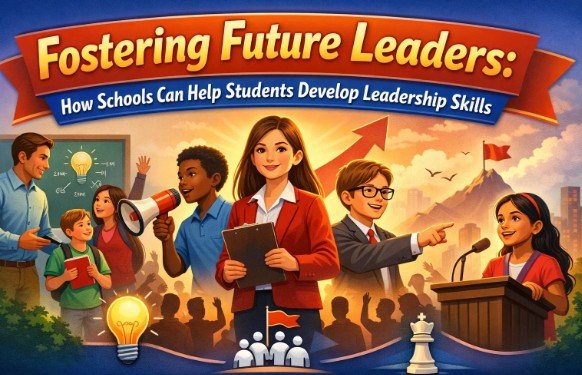
Introduction to Leadership in Education
Leadership in the educational context is a vital component that transcends the act of merely guiding others. It encapsulates a set of skills and characteristics that enable individuals to inspire, motivate, and successfully navigate challenges while fostering positive environments for collective growth. The importance of nurturing leadership skills in students cannot be overstated, as these competencies are instrumental in shaping their futures and enhancing their overall academic experience.
By promoting leadership development within schools, educators not only facilitate personal growth but also instill values that extend beyond the classroom. Leadership skills encompass critical thinking, effective communication, empathy, and the ability to work collaboratively in diverse teams. These skills are relevant throughout a student’s life, preparing them to contribute positively to their communities and society at large.
The role of leadership in education is multifaceted. Effective educational leaders set a tone of excellence, encouraging students to become proactive in their learning journeys. As students engage in leadership opportunities, they acquire the self-confidence to tackle challenges, advocate for their beliefs, and influence their peers. This ripple effect fosters a generation that values inclusivity, creativity, and social responsibility.
Furthermore, fostering leadership within educational institutions enhances community ties. Schools that prioritize the development of student leaders create a culture of collaboration, where students feel empowered to contribute ideas and solutions to real-world issues. Such initiatives not only bolster students’ sense of belonging but also cultivate community-oriented citizens who proactively seek to improve their environments.
In essence, the integration of leadership skills in education is a cornerstone for developing well-rounded individuals who are not only academically competent but also equipped to lead with integrity and purpose. The subsequent sections will explore practical strategies for schools to effectively implement leadership development programs.
The Role of Educators in Leadership Development
Educators play a pivotal role in the leadership development of students, serving as both mentors and role models. The involvement of teachers and school administrators is essential in fostering leadership skills, as they provide both guidance and encouragement necessary for student growth. By embodying strong leadership behaviors themselves, educators set a standard for students, demonstrating the values of integrity, resilience, and collaboration.
In the classroom, teachers can create a culture that supports critical thinking and decision-making. They can facilitate discussions that encourage students to articulate their thoughts and opinions, thereby enhancing their confidence in expressing ideas. Moreover, implementing group projects and collaborative learning experiences allows students to practice leadership roles in a safe environment. In these settings, students can take turns leading, thereby helping them understand the dynamics of teamwork and the importance of listening, negotiation, and compromise.
Mentoring is another key aspect of leadership development within schools. Educators can identify unique strengths and interests in students, guiding them toward opportunities that align with their potential. By developing meaningful relationships, educators can inspire students to pursue leadership roles within the school community, such as participating in student government or leading extracurricular activities.
Additionally, school administrators have the capacity to create programs and policies that promote the development of leadership skills. This may include establishing leadership workshops, inviting guest speakers who exemplify effective leadership, or integrating leadership training into the curriculum. Such initiatives demonstrate a commitment to nurturing future leaders and provide students with varied experiences to explore their potential.
Overall, the concerted efforts of educators to model, mentor, and create an engaging environment are fundamental in nurturing the leadership potential among students. By prioritizing leadership development, schools can equip students with the skills necessary to thrive in both academic and real-world settings.
Curriculum Integration: Embedding Leadership Skills
The integration of leadership skills into the school curriculum represents a proactive approach to fostering future leaders. By incorporating leadership development themes into various subjects, schools can provide students with essential skills that extend beyond academic content. Leadership is not merely a standalone concept but rather a multifaceted skill that can be nurtured through diverse educational experiences.
In subjects like social studies, educators can emphasize leadership by examining historical figures who exemplified strong leadership qualities. By analyzing the decision-making processes of these leaders, students gain insights into effective leadership strategies and the implications of those decisions on society. Discussions surrounding civic engagement and the role of leaders in promoting social justice can also promote critical thinking about leadership impact in contemporary contexts.
Additionally, language arts presents a unique opportunity for leadership skill development through writing and presentation assignments. Students can be encouraged to express their ideas and advocate for causes they believe in, fostering confidence and public speaking skills. Group discussions and peer feedback can create an environment where students learn to articulate their thoughts clearly, negotiate differing opinions, and work collaboratively—an essential aspect of effective leadership.
Moreover, interdisciplinary approaches that incorporate science and technology can also enhance leadership training. For instance, project-based learning in science classes can engage students in collaborative problem-solving, allowing them to take on leadership roles within groups. As they develop projects, students learn to coordinate efforts, delegate tasks, and manage potential challenges, which are vital leadership skills.
Ultimately, embedding leadership skills within the curriculum fosters a comprehensive educational experience, where students can cultivate these vital competencies across all subjects. This holistic strategy will empower students to become adaptable leaders, prepared to navigate the complexities of the modern world.
Extracurricular Activities: A Platform for Leadership
Extracurricular activities play a crucial role in the holistic development of students, serving as a practical platform where they can cultivate essential leadership skills. These activities, including sports, clubs, and student government, offer rich environments for students to engage in collaborative efforts, allowing them to navigate challenges, resolve conflicts, and make decisions that impact their peers.
Participation in sports, for instance, not only promotes physical well-being but also instills a sense of teamwork and discipline. Athletes are often required to assume roles that demand leadership, whether through motivating teammates, strategizing during games, or representing their team during school events. Such experiences allow students to harness their potential to lead, inspiring others even when facing adversity.
Similarly, school clubs provide a microcosm for students to explore interests while practicing leadership. Students involved in clubs have opportunities to organize events, establish teams, and execute plans. For instance, a student serving as president of the debate club will learn to facilitate discussions, promote cooperation among members, and present viewpoints persuasively. These leadership experiences not only contribute to personal growth but also prepare students to address societal issues collaboratively.
Student government is another significant avenue for leadership development. Through campaigns, elections, and governance, students engage directly in decision-making processes. Here, they refine their ability to communicate effectively, advocate for their peers, and represent diverse perspectives. These skills are invaluable as they prepare students for future leadership roles in their communities and beyond.
In conclusion, extracurricular activities such as sports, clubs, and student government not only enrich the academic experience but also serve as vital arenas for students to practice and enhance their leadership abilities. By engaging in these activities, students gain real-world experiences that foster peer collaboration and essential skills for their future endeavors.
Mentorship and Peer Leadership Programs
Mentorship and peer leadership programs are essential components in fostering leadership skills among students in schools. These initiatives provide a structured framework for older students to guide and support their younger peers. The relationship between mentors and mentees cultivates a culture of leadership that positively influences the academic and social environment of educational institutions.
Through such programs, older students can share their experiences and knowledge, offering practical advice that helps younger counterparts navigate challenges in both their academic and personal lives. This, in turn, promotes confidence in students, encouraging them to take on leadership roles and responsibilities. As mentors engage with their mentees, they also reinforce their own understanding of leadership principles, honing their skills in communication, empathy, and decision-making.
Moreover, mentorship fosters strong interpersonal connections among students, breaking down barriers and promoting inclusivity. As students engage in these supportive relationships, they develop a sense of belonging that is critical for their emotional and social growth. The benefits of mentorship extend beyond the immediate interaction; they have long-lasting effects on the students involved. Research indicates that both mentors and mentees experience increased self-esteem, improved social skills, and enhanced academic performance as a result of their participation in such programs.
Additionally, schools that implement mentorship programs create an environment that prioritizes personal development and social responsibility. When students witness their peers taking initiative and assuming leadership roles, it sets a powerful example, encouraging a collective ethos of support and growth. Ultimately, mentorship and peer leadership programs are integral in shaping future leaders, equipping them with the skills necessary to thrive in an increasingly collaborative world.
Service Learning: Leadership through Community Engagement
Service learning is an educational approach that combines community service with structured learning experiences, offering students an opportunity to develop essential leadership skills. By engaging in service-learning programs, students take on real-world challenges that require them to think critically, collaborate with peers, and devise effective solutions. This proactive engagement not only reinforces academic concepts but also cultivates a sense of responsibility and empathy toward their community.
The benefits of service learning extend far beyond enhancing students’ skill sets. One of the primary advantages is the development of problem-solving skills. Students are often faced with complex issues within their communities, such as homelessness, environmental concerns, or educational disparities. Addressing these challenges necessitates a leadership approach that involves assessing situations, gathering input from various stakeholders, and collaborating to create sustainable solutions. This experience fosters a sense of initiative and accountability, critical traits for any future leader.
Moreover, service learning instills empathy and compassion in students as they work directly with individuals from various backgrounds. By interacting with diverse populations, they learn to appreciate different perspectives and develop a broader understanding of societal issues. This understanding is paramount for effective leadership, as it encourages inclusivity and promotes collaborative efforts in problem-solving.
Civic responsibility is another fundamental aspect that service-learning programs emphasize. Students learn to recognize their role within the community and understand the importance of contributing positively to society. By participating in initiatives that address community needs, they become more engaged citizens, which ultimately prepares them for leadership roles in the future.
In summary, service learning serves as a vital platform for students to develop leadership skills through active community engagement. By participating in these programs, students not only acquire practical skills but also foster a greater sense of empathy, responsibility, and civic-mindedness, ensuring they are well-equipped to lead in their future endeavors.
The Role of Technology in Leadership Development
In today’s educational landscape, technology plays a pivotal role in enhancing leadership development among students. With the rise of online simulations and collaborative platforms, educators can create immersive experiences that cultivate essential leadership skills. These technological tools not only facilitate the learning process but also enable students to engage in real-world scenarios that demand critical thinking and problem-solving abilities.
Online simulations, for instance, allow students to navigate complex situations that require strategic decision-making and teamwork. Through these platforms, participants can explore various leadership styles and learn the importance of adaptability in dynamic environments. By simulating realistic challenges, students are encouraged to develop their communication skills, harness emotional intelligence, and recognize the value of diverse perspectives. This hands-on approach fosters an understanding of leadership that transcends the traditional classroom setting.
Collaborative platforms, such as those that enable project-based learning, further enhance leadership skills by promoting teamwork and shared responsibility. Students work together across geographical boundaries, allowing them to engage with peers from different cultures and backgrounds. This exposure not only broadens their global awareness but also instills cultural competence and respect for diversity—crucial attributes for any effective leader.
Additionally, numerous online resources, such as webinars, podcasts, and courses, provide students with access to a wealth of knowledge on leadership theories and practices. By integrating these resources into their learning journey, students can gain insights from experienced leaders and industry experts, enriching their understanding of effective leadership dynamics.
In summary, leveraging technology in leadership development equips students with the necessary skills to thrive in an increasingly interconnected world. By fostering collaboration, enhancing communication, and simulating real-world challenges, technology serves as a vital tool in preparing the next generation of leaders.
Evaluating Leadership Skills in Students
Assessing leadership skills in students is crucial for understanding their growth and development in this area. Schools can employ a variety of assessment methods to evaluate these abilities, combining both qualitative and quantitative strategies. This multi-faceted approach to evaluation allows educators to gain a comprehensive understanding of each student’s capacity for leadership.
One effective quantitative method for evaluating student leadership skills is the use of standardized surveys or leadership skill inventories. These tools often incorporate metrics that identify traits like teamwork, decision-making, and communication abilities. By administering these assessments at regular intervals, educators can track changes and advancements in leadership capabilities over time. In addition, numerical scores generated from surveys can be benchmarked against a collective data set, providing a clearer perspective of individual student growth relative to peers.
Moreover, qualitative methods such as self-assessments and peer evaluations play a significant role in the evaluation process. Self-assessment encourages students to reflect on their leadership experiences and competencies, fostering a deeper understanding of their strengths and areas for improvement. Peer evaluations also contribute valuable insights, as they allow students to review their classmates’ leadership skills and provide constructive feedback. These methods not only promote accountability but also enhance interpersonal skills among students.
By combining these various evaluation strategies, schools can create a well-rounded assessment framework that not only captures the complexity of leadership development but also encourages continual growth. As students receive feedback from multiple sources, they become more adept at recognizing their own potential and the impact they have on their community. In turn, this comprehensive evaluation process equips future leaders with the necessary skills to thrive in both academic and real-world settings.
Conclusion: Building a Legacy of Leadership
In conclusion, the pivotal role of schools in fostering tomorrow’s leaders cannot be overstated. Leadership education within school curricula is instrumental in shaping individuals who are equipped with the necessary skills to navigate complex challenges and inspire others. By emphasizing critical thinking, collaboration, and communication, institutions contribute significantly to the development of well-rounded individuals poised to take on leadership roles in various spheres of society.
Investing in leadership programs not only benefits students by enhancing their personal and professional attributes but also has a ripple effect that positively influences communities and society at large. Schools act as incubators for nurturing leadership qualities through extracurricular activities, mentorship opportunities, and community engagement projects. These programs promote not just individual success but also collective growth as students learn to understand their responsibilities as future leaders.
To effectively cultivate leadership skills among students, a collaborative effort among educators, parents, and communities is essential. This partnership ensures that leadership development remains a priority, providing students with diverse experiences and role models to learn from. Parents can reinforce the leadership values taught at school by encouraging their children to undertake leadership roles outside the classroom. Meanwhile, community involvement in school leadership initiatives can provide invaluable real-world perspectives and opportunities for practical application.
In fostering a legacy of leadership, we amplify the potential of future generations. It is crucial that we prioritize leadership education today, paving the way for capable, responsible, and visionary leaders who will undoubtedly shape a better tomorrow. By working together to support this vision, we ensure that our society continues to thrive through informed and empowered leadership.
